A View from Rome


We didn’t find Jesus at St Peter’s.

Rae and I had only a limited time in Rome, and we allocated about four hours to explore the great basilica.

We found there a church that was luscious and gorgeous, overwhelming and powerful, beautiful and moving. We stood for some minutes before the famous Pietà, Michelangelo’s marvelous marble statue of the Virgin Mother holding her dead Son.

We found a wealthy church of the Renaissance in some ways ever compromised by its departure from the poor Jesus of Nazareth. Even though we knew Christians had been worshipping there on the Vatican Hill from just after the time of Jesus, it was hard to find evidence of that in just a short visit.

But we did find Jesus just outside of Rome along the Via Appia. As it was just a few days before Christmas, it was quite cold as we walked along the old Roman road, a row of distinctive Roman pines on one side, and on the other, old villas behind hedges and high fences, and catacombs.
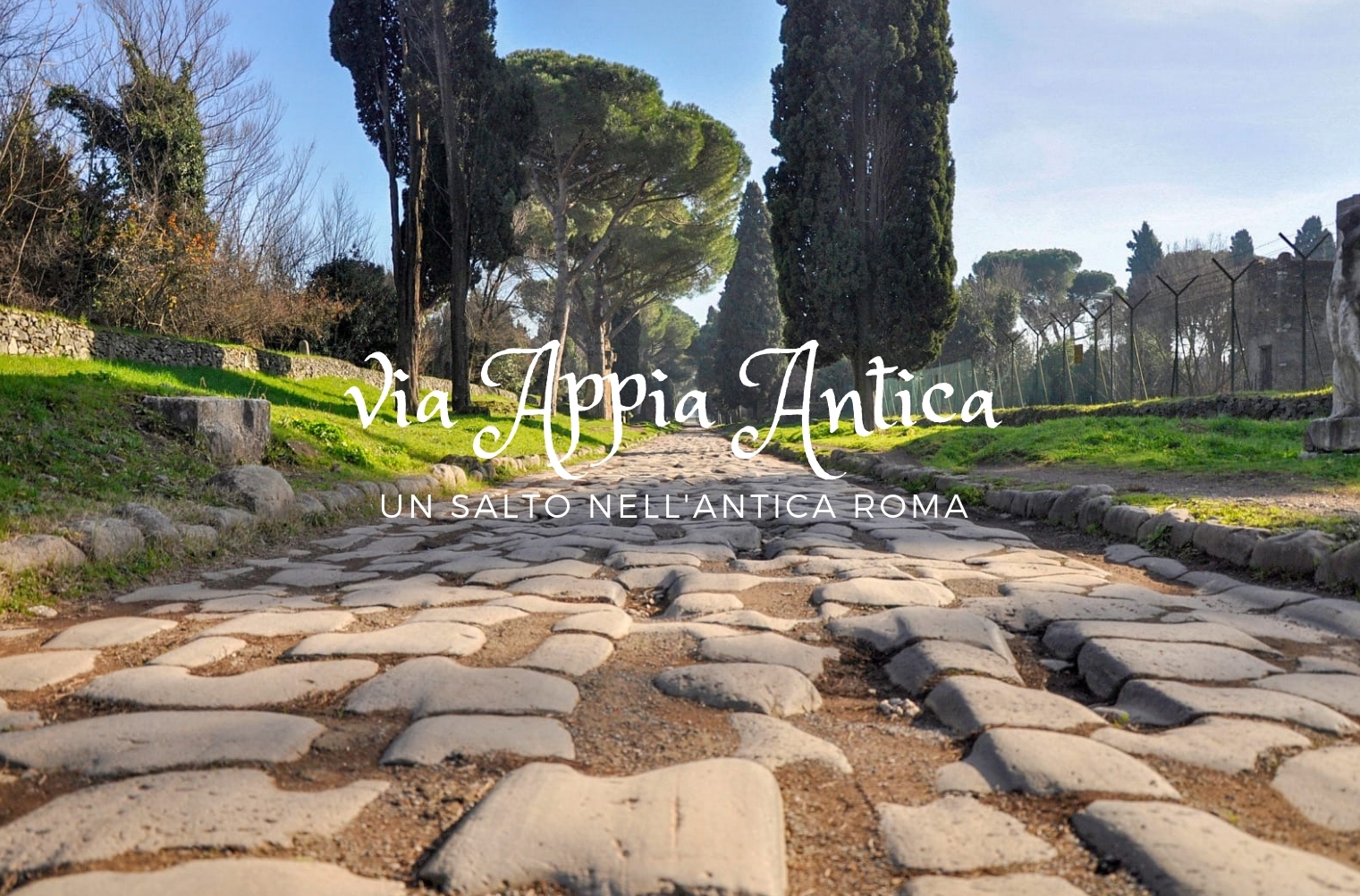
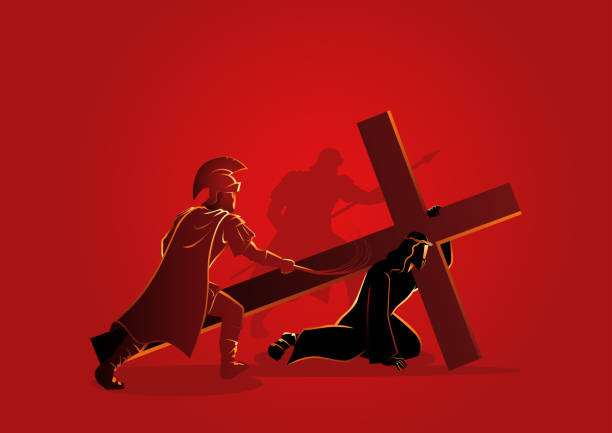
We remembered that the Emperor Nero had crucified thousands of Christians along this Appian Way. He blamed them for the great fire of Rome in A.D. 64, and made his point by setting them alight at night to serve as gruesome torches, and leaving the bodies to be gnawed by wild dogs.

We pictured Jesus here.

Jesus walking along the row of his followers, heartening them and praying for all, his own heart broken for them.

Today as I remember that wintry afternoon, I remember too Christians in Iran as they mark these great Three Days of the year. They will be meeting discreetly, feeling the lash of increasing persecution under the cover of this war.

I think too of Christians in Sudan proscribed by that country’s harsh version of Sharia law.

Christians in Gaza; Christians in Ukraine still grieving their necessary split from their sister Russian church; Christians in parts of China.

I pray that they too may find in the Cross of today and the Resurrection of tomorrow the strength to go on and the joy of knowing that Jesus walks with them too.

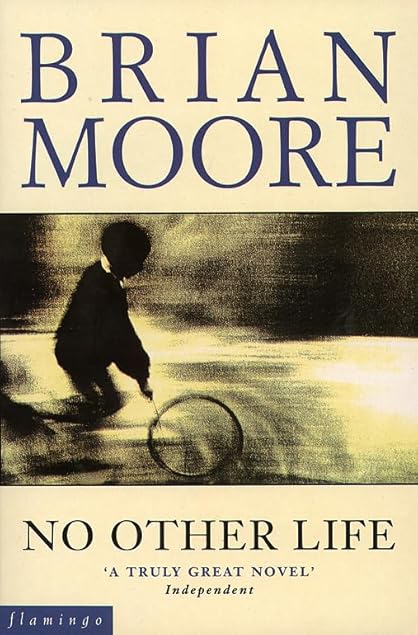
The priesthood: no other life?


Brian Moore, No Other Life, London: Flamingo 1994. Paperback 216 pages,
ISBN 9780006546924.

In W.A. Public Library system.

Reviewed by Ted Witham

Brian Moore (1921 – 1999) was a well-known writer of the 1980s and 1990s. He wrote the 1991 screenplay based on his novel, Black Robe, exploring the Jesuit missions with Native Americans in frontier Canada. Moore was short-listed three times for the Booker Prize.

In No Other Life, the black robes of Jesuits are exchanged for the white robes of the White Augustinians, and the cold places of Canada for the warmth of Ganae. a desperately poor Caribbean island.

The Augustinian Fathers run a school where the mulâtre (mixed-race) elite educate their children. The noirs, the blacks, are kept in wrenching poverty by corruption. The island has always been run by a mulâtre dictator backed by the army.

Father Paul Michel wants to increase the number of black children at the school. He rescues a talented boy, Jeannot, from abject poverty. Jeannot is a single-minded boy who declares he wants to be a priest like his mentor. He eventually joins the Augustinians but runs a parish for the poor rather than work in the Order’s school. Jeannot’s oratory raises the hopes of the poor and he is elected President. But the effects of his leadership are ambiguous: is he an old-style socialist rabble-rouser, or is he a saint? The locals think he is their Messiah.

When the Augustinians expel Jeannot, he turns to his mentor. He implies that he would rather give up everything than be stripped of his priesthood. There is ‘no other life’.

Father Paul finds himself at the heart of a dilemma: is a priest an educator of the rich, or the servant of the poor?  Is faith a pre-requisite for the priestly life, and what happens if a priest loses it? From the moment he meets Jeannot he feels a bond with him, but as their friendship grows, Father Paul learns how to love. When violence and chaos erupt from the actions of his friend Father Paul asks how far does loyal love extend?

This is a gripping and beautiful story, written with a sure touch. The events on the island of Ganae are presented in a fascinating manner, but the themes of ambition and identity resonate everywhere.

No Other Life is certainly a book for priests. What is the core of Christian priesthood, and by extension, Christian practice? Is there ‘no other life’ that we can imagine for ourselves? And if not, that goes to our vocation and identity.

But is also a novel that will draw in any person and open us to the love that is in our midst even when we feel it is absent.